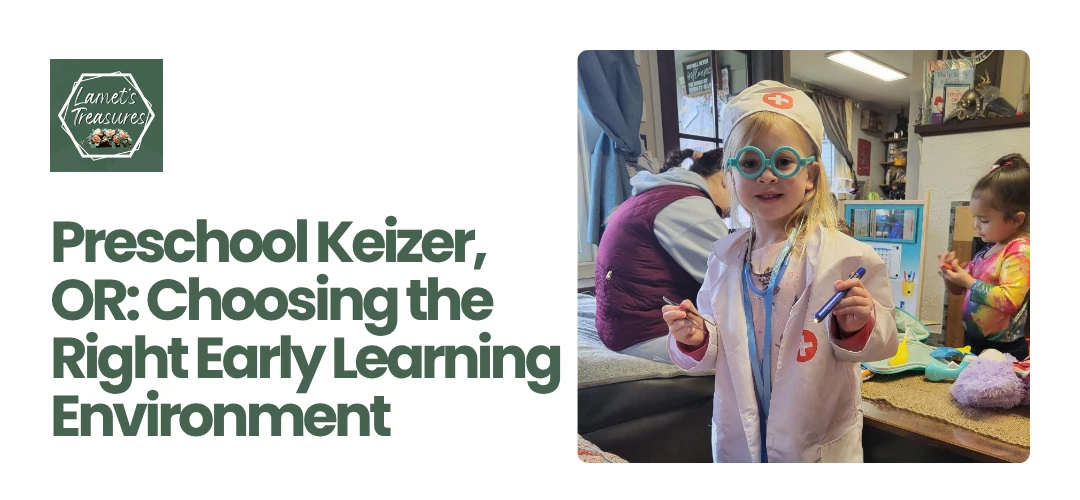
Find the best Preschool Keizer, OR by comparing teachers, schedules, activities, safety, learning programs, and family-friendly childcare options.
Choosing the right preschool can feel like a big decision. Parents want a place where their child can learn, play, make friends, and feel safe each day. Finding the right Preschool Keizer, OR option can also be challenging when several programs offer different schedules, activities, teaching styles, and costs. A poor fit may leave children feeling uncomfortable or make daily routines harder for parents. The good news is that families can make the process easier by knowing what to look for before enrolling. Visiting programs, meeting teachers, reviewing daily routines, and asking clear questions can help parents compare their choices. The goal is to find an early learning environment that supports your child’s needs while also fitting your family’s schedule and expectations.

Preschool is often a child’s first regular learning environment outside the home.It gives children opportunities to practice skills they will use as they grow.A strong preschool program can help children:
Parents should look beyond how attractive a classroom looks.The way teachers interact with children is just as important.
Every family has different priorities.Before visiting programs, make a short list of the things that matter most to you.
Consider:
Having a list makes it easier to compare programs without getting distracted by small details.
Safety should always come first.During a visit, look carefully at the classroom and outdoor areas.
Check for:
Ask how teachers respond to injuries and emergencies.Also ask how children are released to parents or approved adults.A preschool should have clear safety rules that staff follow every day.
Teachers have a major influence on a child’s preschool experience.Pay attention to how teachers speak to children.Look for teachers who are:
Children should feel comfortable asking questions and asking for help.During your visit, watch how teachers handle disagreements, crying, or challenging behavior.Their responses can tell you a lot about the classroom environment.
A preschool classroom should encourage children to learn through play and hands-on activities.Look for areas where children can:
The classroom should feel organized without being overly strict.Children need room to move, play, and make choices within safe limits.
A predictable routine helps young children feel comfortable.Ask to see a sample daily schedule.
It may include:
The exact routine will vary by program.What matters is having a healthy balance of learning, movement, play, meals, and rest.
A preschool program should help children build skills without making learning feel like a long school day.Young children often learn best through play and everyday activities.Teachers may use:
These activities can support early language, math, motor, and social skills.
Parents should ask how teachers plan activities.
Are activities based on children’s ages?
Do teachers adjust activities for different skill levels?
Do children have time for free play?
Is there a balance between teacher-led and child-led activities?
Clear answers can help parents understand what their child will experience each day.
Children need enough adult attention.Ask how many children are in each classroom and how many teachers are present.Also ask what happens when a teacher is absent.A consistent staffing plan can help maintain supervision and classroom routines.Parents should feel comfortable asking about staffing before enrollment.
Preschool gives children many chances to interact with others.
Children learn how to:
Ask teachers how they help children build these skills.Positive guidance is important.Teachers should help children understand boundaries without using harsh or frightening methods.
Young children are still learning how to manage emotions.Tantrums, disagreements, and frustration can happen.Ask the preschool how teachers respond to these situations.Good questions include:
A clear behavior policy helps parents know what to expect.
Outdoor play is an important part of early childhood.Children need opportunities to run, climb, move, and play.During your visit, check whether the outdoor space is:
Ask how often children go outside.Also ask what happens during rain, extreme heat, or other poor weather.
Some working parents need care for most of the day.If that applies to your family, ask about a full day preschool near me Keizer, OR search and compare programs based on both learning and care hours.
Ask:
A full-day program should still provide a balanced schedule.Children should have time for learning, play, movement, meals, and rest.
If the preschool provides food, ask what children receive.
Find out:
If your child has food restrictions, share this information before enrollment.The staff should understand how to manage the child’s needs safely.
Some preschool children still need a nap.Others may only need quiet time.Ask how the program handles rest.
Questions can include:
A flexible approach can help children who have different sleep needs.
Good communication makes childcare easier for everyone.Ask how teachers share information with parents.Communication may include:
Ask how teachers report important concerns.Parents should feel comfortable asking questions about their child’s day.
Many parents want preschool to prepare their children for kindergarten.Ask what skills the program works on.These may include:
School readiness is not only about academic skills.Children also need social and emotional skills to feel comfortable in a classroom.
Online information can help you create a shortlist.But a visit gives you a better idea of what the preschool is really like.During your visit, observe:
The children: Do they seem comfortable and engaged?
The teachers: Are they attentive and patient?
The classroom: Is it clean and organized?
The routine: Does the schedule seem balanced?
The environment: Does it feel welcoming?
Trust your observations while also considering the information provided by staff.
Searching for a preschool close to me Keizer, OR can help narrow your options.Location matters because parents may make the trip every weekday.
Consider:
A convenient location can make daily life much easier.Still, do not choose based on location alone.Safety, staff, activities, and overall fit should also guide the decision.
Cost is another important factor.Ask for a complete fee list before enrollment.
This may include:
Ask when payments are due.Written information can help you avoid unexpected costs later.
Online reviews can provide useful information.Look for repeated comments about:
One negative review does not always tell the whole story.Read several reviews and compare them with what you see during your visit.Personal recommendations from other parents can also be helpful.
Before making a final decision, ask what paperwork is required.
You may need:
Ask about deadlines.If the program has limited spaces, ask whether there is a waiting list.Starting the process early can give your family more choices.
Children are not all the same.Some children enjoy large groups.Others may feel better in smaller groups.Some children enjoy active play.Others may need quiet time before joining activities.Think about your child’s personality when comparing programs.The best preschool setting should provide appropriate support while helping children build independence.
After visiting several programs, make a simple comparison chart.
Feature | Program A | Program B | Program C |
Safety | ✓ | ✓ | ✓ |
Teacher experience | ✓ | ✓ | ✓ |
Activities | ✓ | ✓ | ✓ |
Outdoor play | ✓ | ✓ | ✓ |
Schedule | ✓ | ✓ | ✓ |
Tuition | ✓ | ✓ | ✓ |
Communication | ✓ | ✓ | ✓ |
Location | ✓ | ✓ | ✓ |
Availability | ✓ | ✓ | ✓ |
This can make the final decision much easier.
Before signing any agreement, ask these important questions:
Clear answers can help you choose with greater confidence.
A child’s early learning experience can shape how they feel about school.A positive preschool environment gives children opportunities to practice new skills while building confidence.They can learn to:
Parents can support this process by choosing a program that values both learning and emotional development.
Choosing Preschool Keizer, OR does not need to be rushed.Start by identifying your family’s needs.Then create a list of programs and schedule visits.During each visit, look at the classroom, meet teachers, ask questions, and review policies.Compare your notes afterward.A good preschool should feel safe, organized, caring, and appropriate for your child’s age.
Families connected to Salem Oregon may also want to consider travel time and daily schedules when reviewing their childcare choices.
Choosing the right Preschool Keizer, OR program is about finding a safe, caring, and age-appropriate place where your child can learn and grow. Look beyond tuition and location. Pay attention to teacher interaction, classroom safety, daily activities, social development, outdoor play, communication, and school-readiness support.
Visit programs in person and ask questions before enrolling. Compare your options using a simple checklist, and consider how well each program fits your child’s personality and your family’s daily routine.Lamet’s Treasures understands that parents want dependable care and a positive early learning experience for their children. Take the next step by reviewing your options, scheduling a visit, and asking the questions that matter most.Ready to choose the right preschool? Contact a local program, schedule a tour, and see firsthand whether the learning environment is the right fit for your child and family.
When choosing Preschool Keizer, OR, parents should consider safety, teacher experience, classroom size, daily activities, outdoor play, communication, tuition, operating hours, and the overall learning environment.
Start by considering your child's age, personality, learning needs, schedule, and comfort level. Visit several programs and compare their classrooms, teachers, activities, routines, and policies.
Ask about teacher qualifications, child-to-teacher ratios, daily schedules, learning activities, meals, outdoor play, behavior guidance, illness policies, tuition, and parent communication.
A full-day program can be useful for working parents who need longer care hours. However, parents should make sure the schedule still includes age-appropriate learning, play, meals, movement, and rest.
It is best to begin early. Starting ahead gives parents enough time to compare programs, schedule tours, check availability, and complete enrollment paperwork.
Find the best Preschool Keizer, OR by comparing teachers, schedules, activities, safety, learning programs, and family-friendly childcare options.
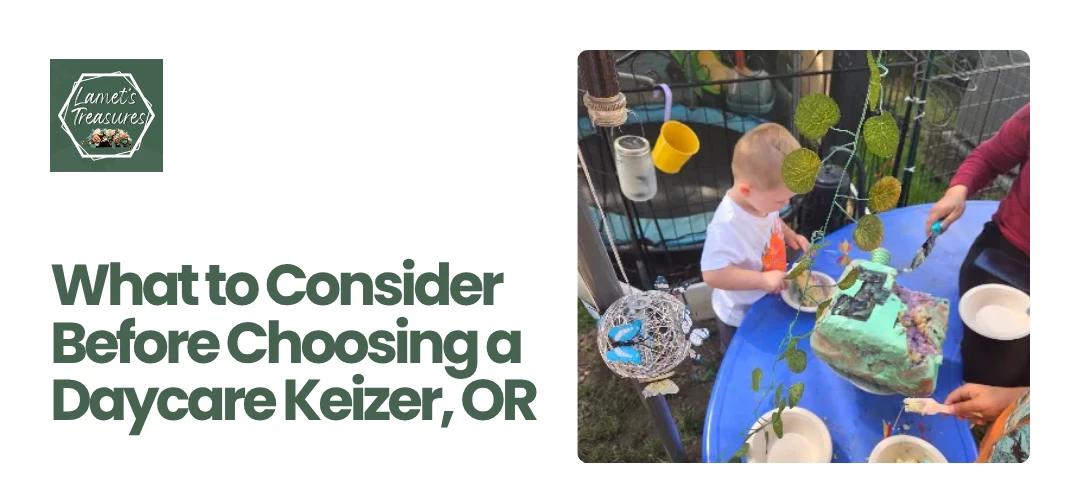
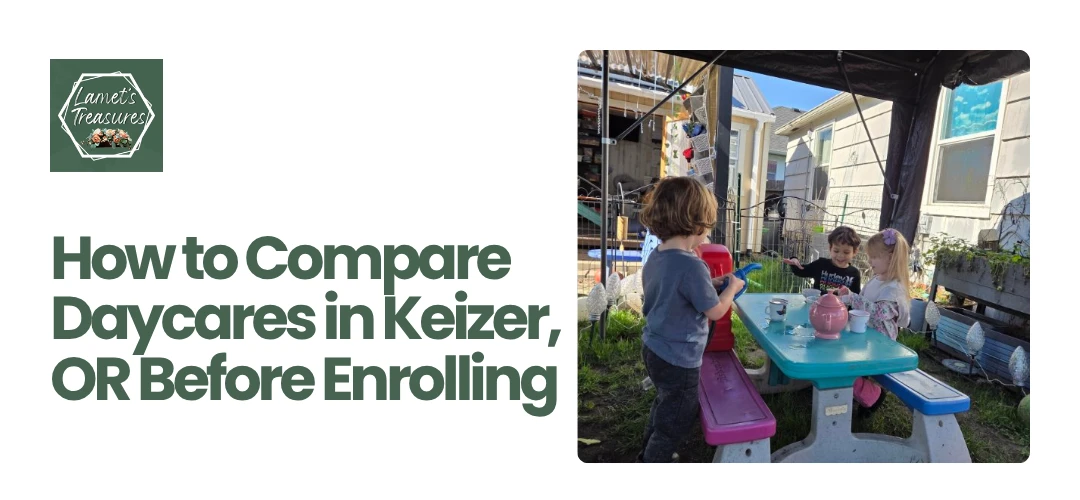
Find the right daycare in Keizer, OR by comparing safety, caregivers, activities, routines, and the quality of care for your...
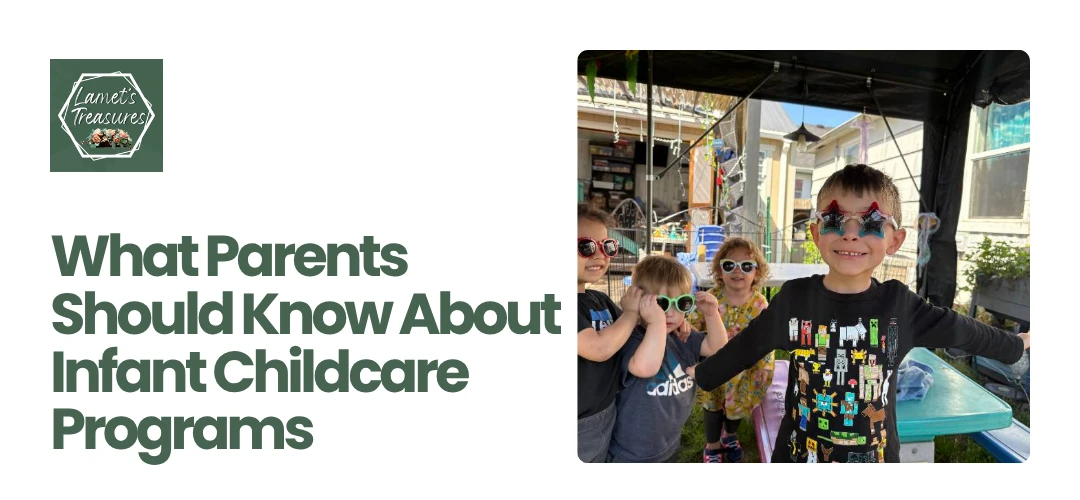
Find quality Infant Childcare Keizer, OR with safe care, nurturing routines, trained staff, and age-appropriate activities for your baby’s needs.
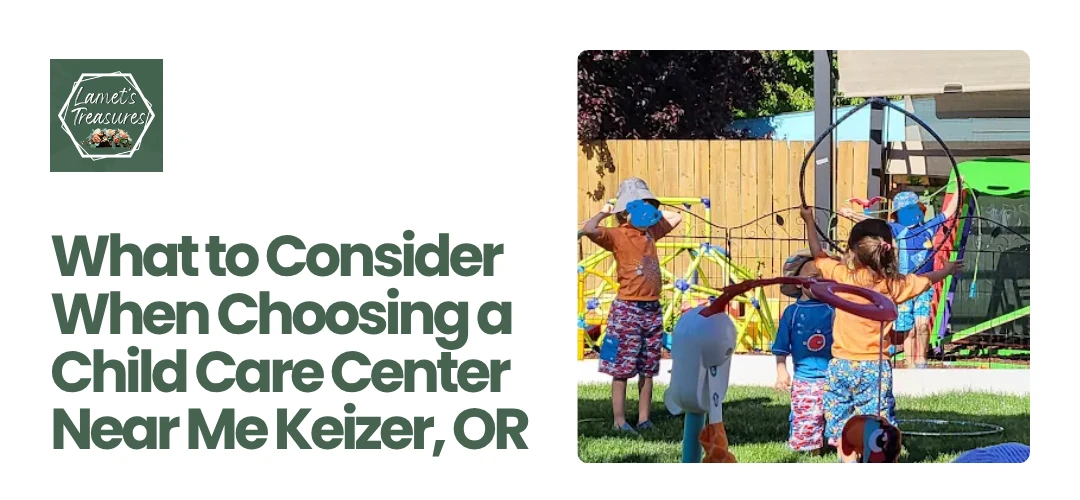
Find the right ChildCare Center Near Me Keizer, OR with this helpful guide covering safety, staff, activities, cleanliness, communication, and...
Find the best daycare in Northeast Salem with tips on safety, caring staff, activities, schedules, and a welcoming environment for...
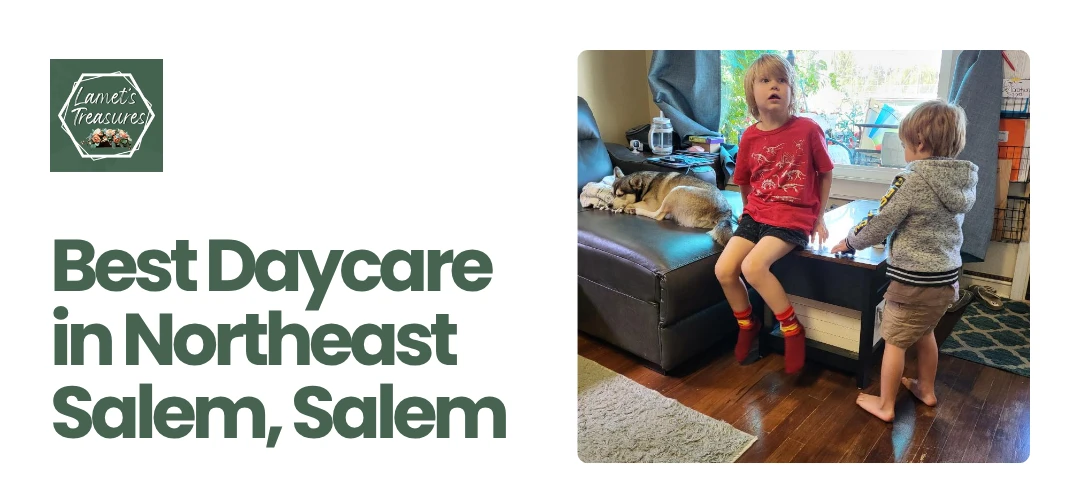
Find the best daycare in Northeast Salem with tips on safety, caring staff, activities, schedules, and a welcoming environment for...
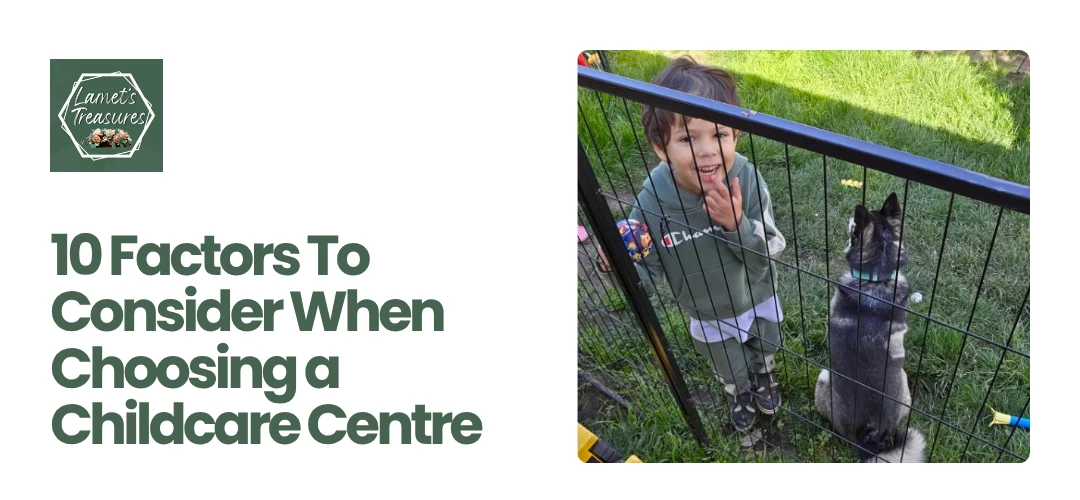
Choosing the right Childcare Centre Salem OR can feel like a big decision. Parents want a place where their child...
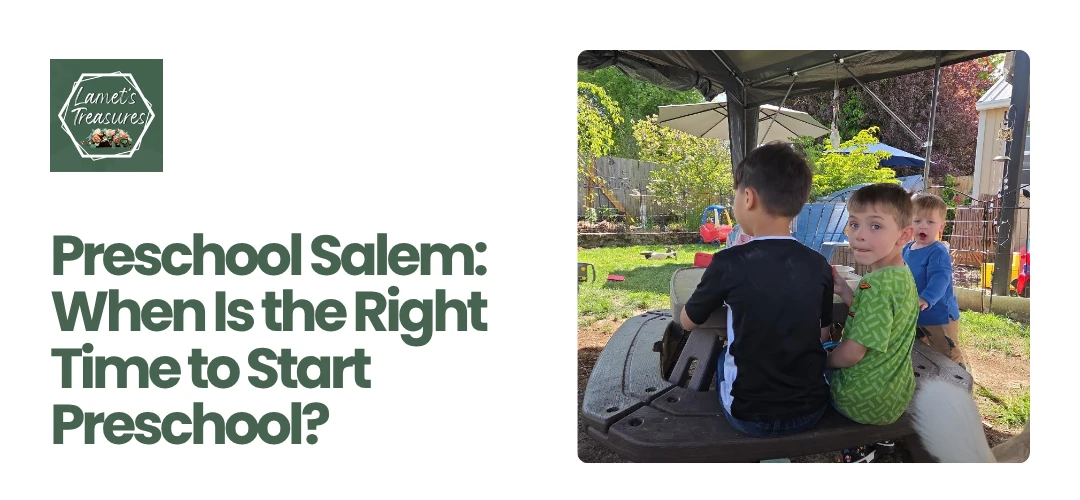
Discover when to start preschool and how Preschool Salem programs support early learning, social skills, confidence, and a smooth transition.
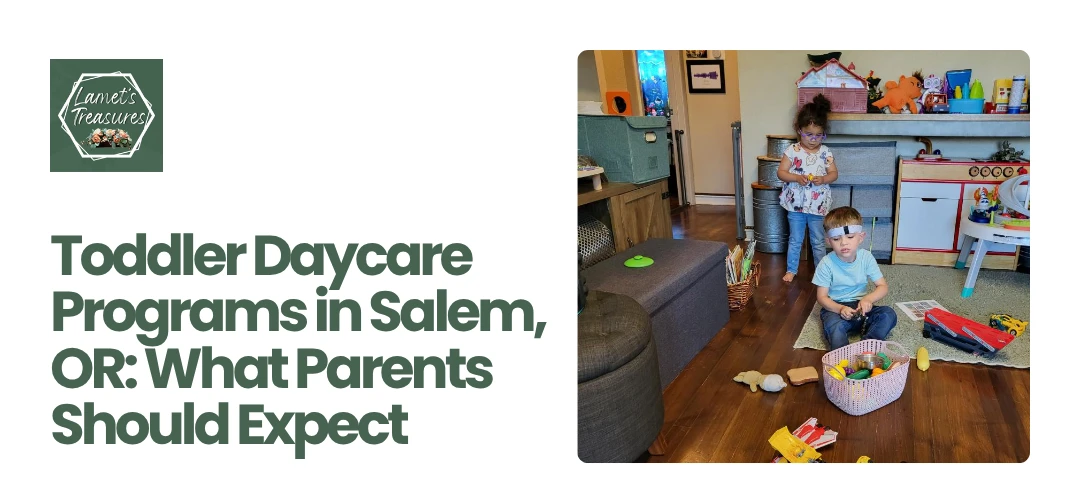
Looking for trusted Toddler Daycare Salem, OR? Learn what to expect from quality toddler daycare programs, including safety, early learning,...

Providing consistent, high-quality childcare that supports families through safe environments, trusted care, and early learning experiences every day in Salem, OR.