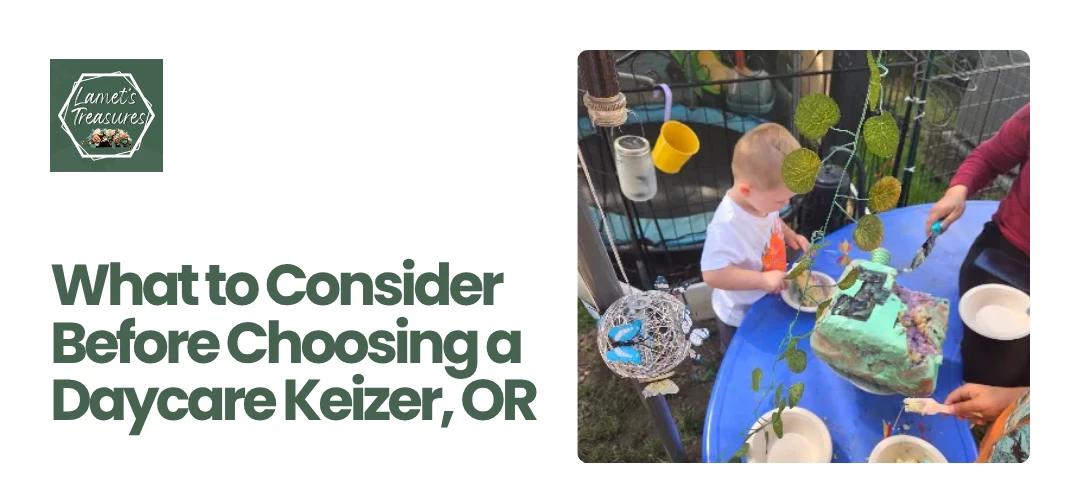
Find the right daycare in Keizer, OR by comparing safety, caregivers, activities, routines, and the quality of care for your...
Choosing the right Childcare Centre Salem OR can feel like a big decision. Parents want a place where their child feels safe, cared for, and ready to learn. But with many options available, it can be hard to know what really matters. A centre may look great online but feel very different during a visit. The wrong choice can also lead to stress for both parents and children. Taking time to compare important details can make the decision easier. From staff experience and safety to daily activities and communication, each factor can tell you more about the quality of care your child may receive. Knowing what to check before enrolling can help you choose with confidence.

Safety should always be the first thing parents consider.Young children need a secure space where they can play, learn, rest, and move around without unnecessary risks.During your visit, look at:
Ask how the centre handles emergencies and how children are supervised throughout the day.A clean and well-organized environment is also important. Toys and shared areas should be cleaned regularly.Parents should feel comfortable asking direct safety questions. A reliable childcare provider should be willing to explain its safety practices clearly.
Teachers and caregivers have a major impact on your child’s daily experience.Children need adults who are patient, caring, and able to respond to their needs.
Ask about:
It is also helpful to watch how staff interact with children during your visit.Do they speak calmly?Do they listen when a child talks?Do they get down to the child’s level?Do they respond when a child needs help?These small details can tell you a lot about the care children receive.
The number of children assigned to each caregiver can affect the level of attention children receive.When fewer children are assigned to each caregiver, staff may have more time to respond to individual needs.Ask the centre about its child-to-staff ratio for your child’s age group.You should also ask whether the ratio changes during:
A good ratio can support closer supervision and stronger relationships between children and caregivers.This is an important question for parents comparing childcare centers near me because the number of children in a room can vary from one provider to another.
Children often feel more comfortable when they know what comes next.A well-planned schedule gives children time for learning, play, meals, rest, and social activities.Ask to see a sample daily schedule.It may include:
The schedule should be suitable for the children’s ages.Young children need active periods, but they also need quiet time. A good balance can help children stay comfortable throughout the day.
Childcare is not only about keeping children safe while parents are at work.Young children learn through everyday experiences.Age-appropriate activities may help children develop:
For example, a simple puzzle can support problem-solving and hand coordination.Reading stories can help build vocabulary.Music and movement can support physical development.Pretend play can help children practice communication and social skills.Ask how activities are planned and how teachers adjust them for different ages and abilities.
A website or brochure can only show part of the childcare experience.A personal visit gives you a better idea of what the centre is really like.When you visit, pay attention to:
The children:
Do they look comfortable and engaged?
The teachers:
Do they seem patient and attentive?
The classroom:
Is it clean, organized, and suitable for children?
The noise level:
Does the room feel manageable, or is it overly loud and chaotic?
The activity areas:
Are children able to move, play, read, and create?Trust your observations.You do not need a perfect-looking classroom. Children naturally make messes while playing. What matters is whether the environment feels safe, welcoming, and well managed.
Children are still learning how to manage emotions and interact with others.Tantrums, disagreements, and frustration can happen.Parents should ask how caregivers respond to these situations.Good questions include:
Look for a positive and age-appropriate approach.Children need guidance, not fear.Caregivers should help children understand feelings, follow simple rules, and learn better ways to respond.
Good communication can make childcare easier for the whole family.Parents should know how they will receive updates about their child.Ask whether the centre uses:
Find out what information parents receive about meals, naps, activities, behavior, and important events.You should also know who to contact when you have a concern.Strong communication means parents can ask questions without feeling uncomfortable.It also allows teachers to learn more about the child’s routines and needs at home.
Food and health routines are another important part of childcare.Ask what the centre provides and what parents need to pack.Find out about:
If your child has food allergies or special dietary needs, discuss them before enrollment.You should also ask about illness policies.Find out when children need to stay home and how the centre handles illness during the day.Clear health policies help protect children, staff, and families.
Even a great childcare program may not be the right choice if it does not fit your daily schedule.Think about how the centre works with your family’s routine.Consider:
Convenience matters because you may visit the centre many times each week.Parents who search for childcare near me should also think about the full daily commute instead of choosing a centre based only on distance.A centre that fits naturally into your routine can reduce stress for everyone.
Before making a final decision, prepare a list of questions.Here are some useful ones:
Writing your questions down can help you avoid forgetting important details during a visit.
It is normal to visit more than one centre before making a choice.Create a simple comparison based on the factors that matter most to your family.
You can compare:
Factor | What to Look For |
Safety | Secure and clean environment |
Staff | Trained and caring caregivers |
Ratio | Appropriate child-to-staff levels |
Activities | Age-appropriate learning and play |
Communication | Clear parent updates |
Meals | Safe and suitable food practices |
Schedule | Hours that fit your routine |
Location | Convenient for your family |
Behavior | Positive guidance |
Environment | Comfortable and welcoming |
Do not choose based on one feature alone.Look at the complete picture.
Parents often have a feeling when they walk into a childcare centre.You may notice that staff greet children warmly.You may see children playing comfortably.You may hear teachers speaking with patience.These observations matter.At the same time, try to balance your feelings with practical information.Ask questions. Check policies. Review schedules. Understand costs. Talk with staff.The best choice is one that meets your child’s needs while also fitting your family’s daily life.
Starting childcare can be a big change for a young child.You can make the transition easier with a few simple steps.
Explain what will happen during the day.Use simple words such as:”You will play, have lunch, rest, and then I will come back.”This can help your child understand that you will return.
Before the first day, let your child spend some time with a trusted caregiver or family member.This can help them become more comfortable being away from you.
Long goodbyes can sometimes make separation harder.Give your child a hug, say goodbye, and leave with confidence.
A favorite comfort item can help some children feel more secure.Ask the centre about its policy before sending anything from home.
Every child adjusts at a different pace.Some children become comfortable quickly. Others need more time.Positive signs may include:
A little separation anxiety is common.If your child continues to struggle, talk with the caregiver. Working together can help identify ways to make the transition easier.
Choosing a childcare provider close to home or work can make everyday life easier.A convenient location can help with:
Local childcare can also help families become more familiar with other parents and community resources.When searching for childcare Salem Oregon, consider both the quality of care and how well the location fits your routine.
Choosing a Childcare Centre Salem OR is about more than finding a place to leave your child during the day. You are choosing an environment where your child may spend many important hours learning, playing, building friendships, and developing independence.Take time to visit centres, speak with caregivers, review policies, and compare your options. Think about your child’s personality and needs as well as your family’s schedule.
If you are looking for trusted childcare options in Salem Oregon, contact Lamet’s Treasures to learn more about the program, ask your questions, and arrange a visit. Taking that first step can help you feel more confident about your childcare decision.
Look for a safe environment, caring and trained staff, appropriate child-to-staff ratios, age-appropriate activities, clear communication, healthy routines, and policies that meet your family's needs.
Visit the centre and check entrances, classrooms, outdoor areas, toys, supervision, cleaning practices, and emergency procedures. Ask staff to explain their safety policies.
Ask about staff qualifications, daily schedules, child-to-staff ratios, meals, safety, behavior guidance, illness policies, parent communication, hours, tuition, and enrollment requirements.
Location can be very important because parents may need to drop off and pick up their children every day. A convenient centre can make the daily routine easier and reduce travel time.
Yes. A visit lets you see the classroom, observe staff interactions, ask questions, and learn more about the daily environment before making a decision.
Find the right daycare in Keizer, OR by comparing safety, caregivers, activities, routines, and the quality of care for your...

Find quality Infant Childcare Keizer, OR with safe care, nurturing routines, trained staff, and age-appropriate activities for your baby’s needs.

Find the right ChildCare Center Near Me Keizer, OR with this helpful guide covering safety, staff, activities, cleanliness, communication, and...
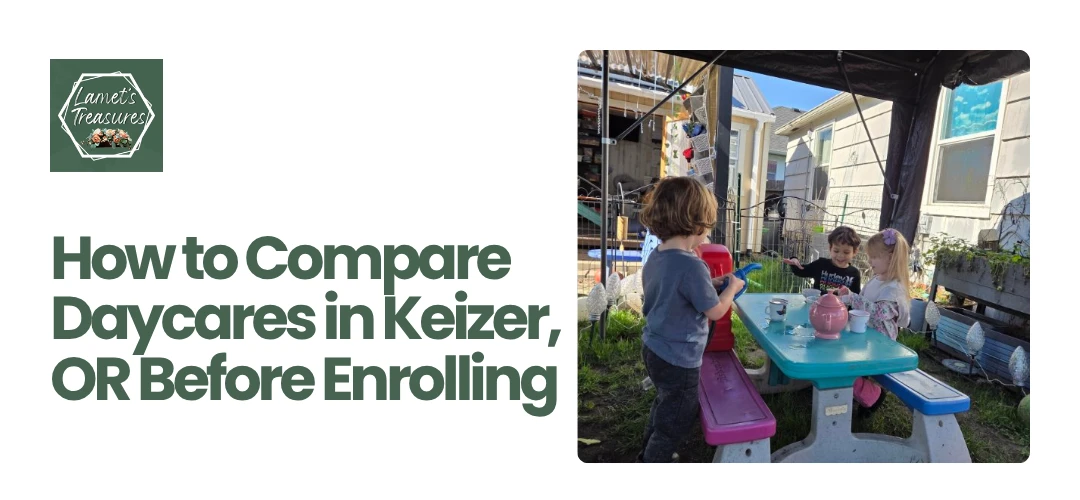
Find the best daycare in Northeast Salem with tips on safety, caring staff, activities, schedules, and a welcoming environment for...

Find the best daycare in Northeast Salem with tips on safety, caring staff, activities, schedules, and a welcoming environment for...

Choosing the right Childcare Centre Salem OR can feel like a big decision. Parents want a place where their child...

Discover when to start preschool and how Preschool Salem programs support early learning, social skills, confidence, and a smooth transition.
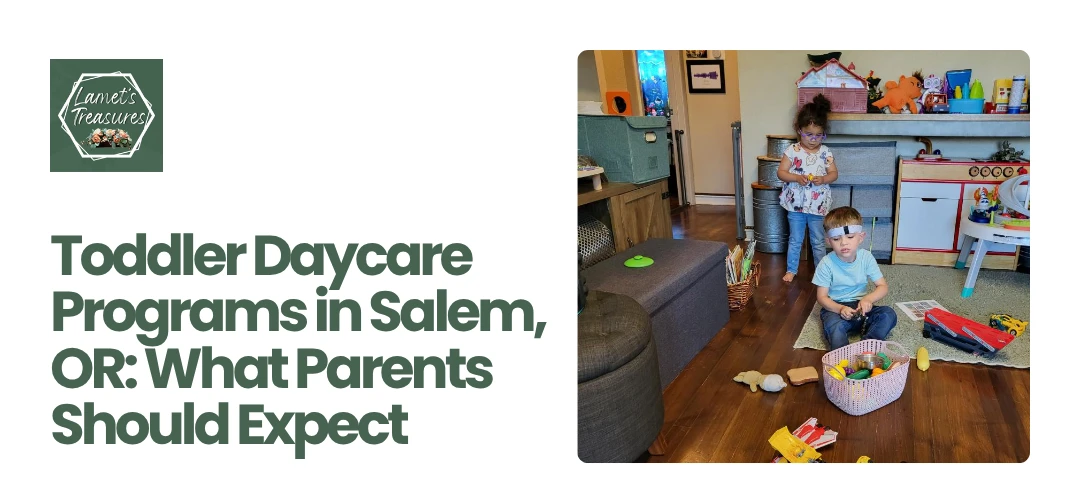
Looking for trusted Toddler Daycare Salem, OR? Learn what to expect from quality toddler daycare programs, including safety, early learning,...

Looking for trusted Children Care Salem, Oregon? Our safe after-school program helps kids learn, play, complete homework, and build friendships...

Providing consistent, high-quality childcare that supports families through safe environments, trusted care, and early learning experiences every day in Salem, OR.