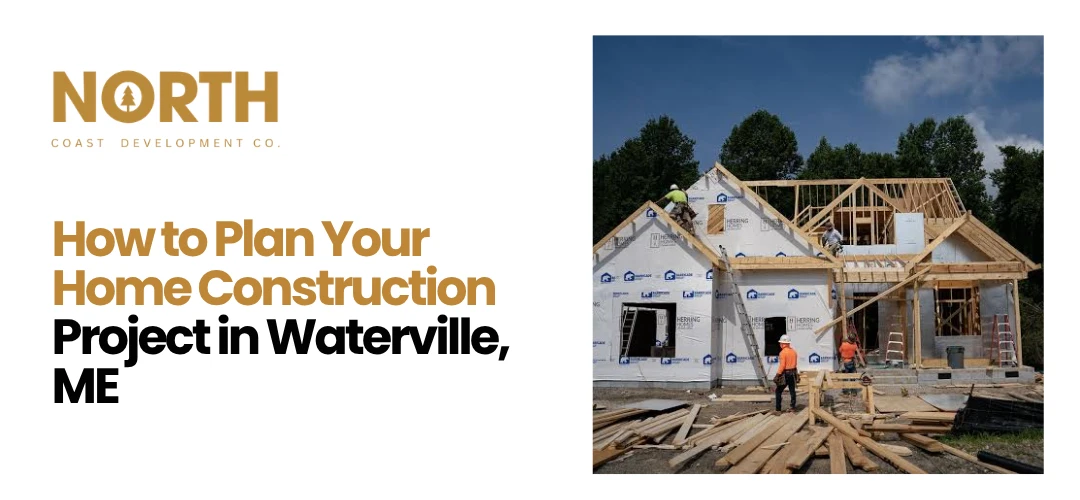
Home Construction Waterville, ME projects require attention to design, permits, budgets, materials, and local building needs.
Planning a new home or major renovation can feel like a lot. You may have a vision, but turning that vision into a safe and well-built home takes careful planning. Delays, unclear costs, poor material choices, and weak communication can make a project stressful. That is why working with an experienced team matters. Home Construction Waterville, ME projects require attention to design, permits, budgets, materials, and local building needs. At North Coast Development, we help homeowners move from the first idea to the final stage with a clear plan. With the right steps in place, you can avoid common problems, manage your budget, and create a home that fits your needs for years to come.

Before discussing designs or materials, decide what you want from your project. A clear goal gives your construction team a strong starting point.
Ask yourself:
Your answers will shape the size, layout, materials, and timeline of your project.For a Home Construction Waterville, ME project, it is also helpful to think about how your home will work in every season. Maine weather can affect exterior materials, insulation, roofing, windows, drainage, and other parts of construction.Good planning at the beginning can reduce changes later. It can also help you make better decisions before construction starts.
A budget is one of the most important parts of home construction. Your budget should cover more than the basic cost of labor and materials.Consider costs such as:
It is wise to keep some money available for unexpected needs. Existing site conditions, material changes, or other issues can affect the final cost.North Coast Development can help homeowners understand the major stages of a project so they can make informed choices before work begins.A detailed budget also makes it easier to compare options. For example, you may decide to spend more on insulation or windows while choosing simpler finishes in another area.The goal is not simply to stay under a number. The goal is to spend money where it provides long-term value.
Your construction team can have a major impact on the quality and experience of your project. Look for professionals who communicate clearly and understand the type of work you need.When comparing contractors, ask about:
Experienced General Contractors Waterville ME can help coordinate different parts of a project. This may include scheduling trades, managing materials, reviewing work, and keeping the project moving.Ask questions before signing an agreement. A professional contractor should be willing to explain the scope of work, expected costs, project schedule, and responsibilities.
For Home Construction Waterville, ME, local knowledge can also be valuable. A team familiar with the area can help homeowners plan around local requirements, weather conditions, and site concerns.
A beautiful floor plan is useful, but a practical floor plan is even more important.Think about how you use your home every day. Consider where people enter the house, where coats and shoes are stored, and how the kitchen connects with dining and living areas.You should also think about future needs.For example, a growing family may need more bedrooms or flexible living space. Someone who works from home may need a quiet office. Older homeowners may want fewer stairs and easier access.During a Home Construction Waterville, ME project, planning for future needs can help you avoid expensive changes later.
Storage is often overlooked during the design stage.Plan for closets, cabinets, pantry space, garage storage, and other areas that can keep the home organized.Small storage decisions can make a major difference in everyday comfort.
Maine homes need to perform well through cold winters and changing weather. Energy efficiency should therefore be part of the planning process rather than an afterthought.
Discuss options such as:
The right choices can improve comfort and may help control energy use over time.Your construction professional can explain which improvements make sense for your home, budget, and design.For Home Construction Waterville, ME, a well-planned building envelope can be especially important. Good insulation and air sealing can help maintain comfortable indoor temperatures and reduce unwanted drafts.
Permits and inspections are important parts of many construction projects. The exact requirements depend on the project and local rules.Do not assume that every project follows the same process.Your construction team should help you understand which approvals may be needed before work begins. Starting construction without the required approvals can create delays and other problems.
Ask your contractor:
A clear answer to these questions can make the construction process easier to manage.
A construction schedule helps everyone understand what happens next.A typical project may include stages such as:
The actual schedule can vary based on the size and type of project.Weather, material availability, inspections, design changes, and site conditions can all affect timing. A good construction team should communicate when changes occur.For a Home Construction Waterville, ME project, realistic scheduling is better than making promises that cannot be met.
Not every homeowner needs a completely new house. Sometimes adding useful space is a better option.Home additions Waterville, ME projects can provide extra bedrooms, offices, family rooms, bathrooms, or other living areas.
Before adding space, consider:
The addition should feel like part of the home rather than an unrelated structure.If your needs may grow over time, discussing future expansion during the planning stage can also help you make smarter design decisions.
Construction planning is not limited to new homes. Remodeling can improve how an existing home works.A Laundry room remodeling project, for example, can create better storage, improve workflow, and make daily chores easier.
Consider practical features such as:
The same planning approach can be used for kitchens, bathrooms, basements, bedrooms, and other areas.When remodeling, it is important to understand the condition of the existing structure. Hidden plumbing, electrical, moisture, or structural issues may affect the project.
Outdoor space can add useful living and entertainment areas to a home.Deck and patio construction should be planned with the home’s layout, drainage, access, and intended use in mind.Think about how you want to use the space.Will it be used for family meals? Do you need space for outdoor furniture? Will children use it for play? Do you want an area for relaxing in the evening?These answers can help determine the size and layout.Materials should also be selected based on durability, maintenance needs, appearance, and local weather conditions.
Materials affect both the appearance and performance of your home.You do not always need the most expensive product. Instead, choose materials that match the purpose of each area.For example, high-use areas may need durable flooring and surfaces. Exterior materials should be able to handle local weather. Windows and doors should support comfort and energy performance.Ask your contractor about the expected lifespan, maintenance needs, warranty, and installation requirements of major materials.For Home Construction Waterville, ME, choosing materials with Maine’s weather in mind can support long-term performance.
Good communication can prevent many construction problems.Set expectations early about how you will communicate. You may prefer phone calls, email, scheduled meetings, or project updates.Keep important decisions in writing when possible.If you want to change the layout, material, finish, or scope of work, discuss it with your contractor before the change is made.Changes made during construction can affect:
Clear communication helps everyone stay on the same page.
If your project is located in Augusta, ME, the same careful planning approach can help you manage the construction process.Start with a clear scope of work, realistic budget, suitable design, and qualified construction team.Local site conditions and project requirements should be reviewed before construction begins. Your contractor can help you understand the steps that apply to your specific project.Whether you are planning a new home or a major improvement, early preparation can reduce confusion and help the project move forward in an organized way.
Homeowners planning work in Winthrop, ME should also consider the property itself before finalizing a design.Review access, drainage, existing structures, utilities, and the planned location of the home or addition.Think about how the property will be used throughout the year. Outdoor areas, entrances, storage, heating, and maintenance needs can all influence the final plan.North Coast Development can help homeowners approach each stage with practical planning and clear communication.
Even a well-planned construction project can face problems. However, many common issues can be reduced with preparation.Avoid these mistakes:
Starting without a clear scope:
A vague plan can lead to confusion about costs and responsibilities.
Choosing a contractor based only on price:
The lowest estimate may not provide the best overall value.
Ignoring future needs:
Your home should support how you expect to live in the coming years.
Making too many changes during construction:
Late changes can increase costs and delay the schedule.
Forgetting about maintenance:
Think about how much time and money materials will need over their lifespan.
Not asking questions:
If something is unclear, ask before construction moves forward.
Before starting your Home Construction Waterville, ME project, review these points:
A successful construction project starts long before the first wall is built. Clear goals, a realistic budget, practical design, quality materials, and good communication can make the process easier to manage.
For homeowners planning Home Construction Waterville, ME, choosing the right construction partner is an important first step. North Coast Development can help you organize your project around your goals, property, budget, and long-term needs.Whether you are planning a new home, an addition, remodeling work, or improvements to your outdoor space, do not wait until construction begins to make important decisions.Contact North Coast Development today to discuss your project and take the first step toward a well-planned home construction project.
The cost depends on the size, design, materials, site conditions, labor, and features of the project. A clear project scope and detailed estimate can provide a more useful starting point than a general price range.
Every project is different. A new home usually involves planning, permitting, site work, construction, inspections, and finishing. Weather, material availability, project size, and design changes can affect the schedule.
Look for a contractor with relevant experience, clear communication, proper credentials, references, and a detailed written agreement. Ask questions about the timeline, budget, materials, and how project changes are handled.
Start with your goals, budget, floor plan, must-have features, site conditions, materials, permits, and expected timeline. Having these details ready can make discussions with your construction team much more productive.
Yes. A construction plan can include additions, remodeling, outdoor improvements, or other major home projects. The key is to review how the work will affect the existing structure, utilities, budget, and timeline.
Home Construction Waterville, ME projects require attention to design, permits, budgets, materials, and local building needs.
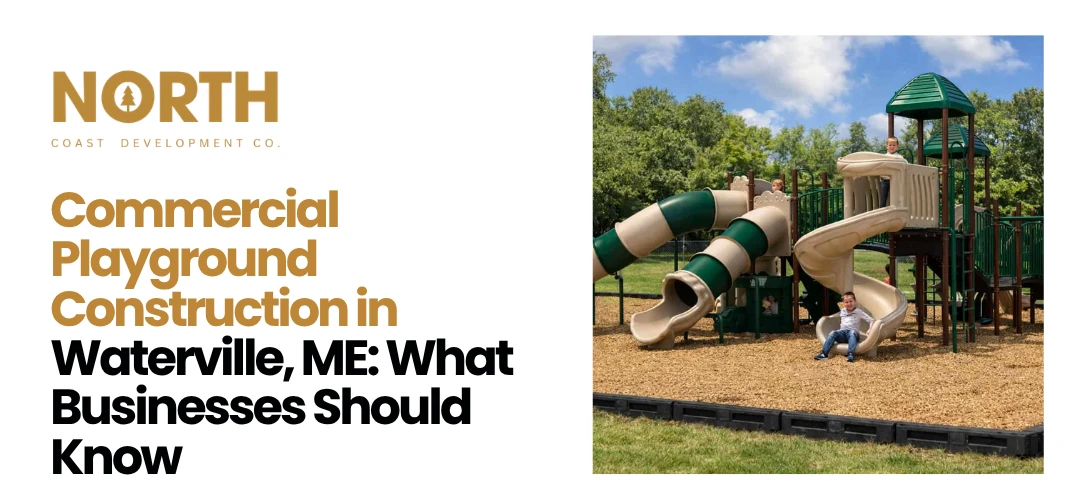
Plan a safe, durable outdoor space with Playground Construction Waterville, ME. North Coast Development provides quality commercial playground construction and...
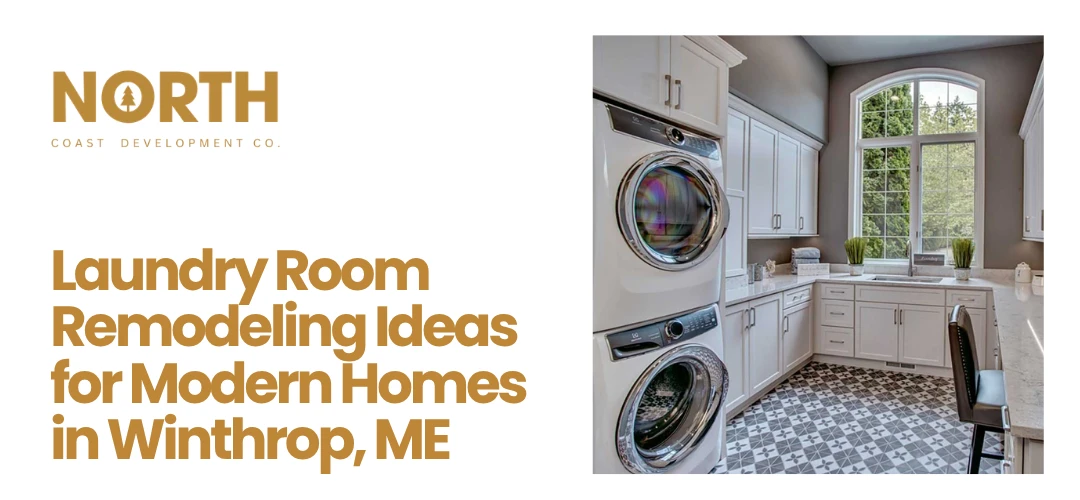
Transform your home with Laundry Room Remodeling Winthrop, ME. Improve storage, style, and functionality with North Coast Development.

Hire trusted General Contractors in Winthrop, ME. North Coast Development provides reliable remodeling, renovations, and quality construction services.
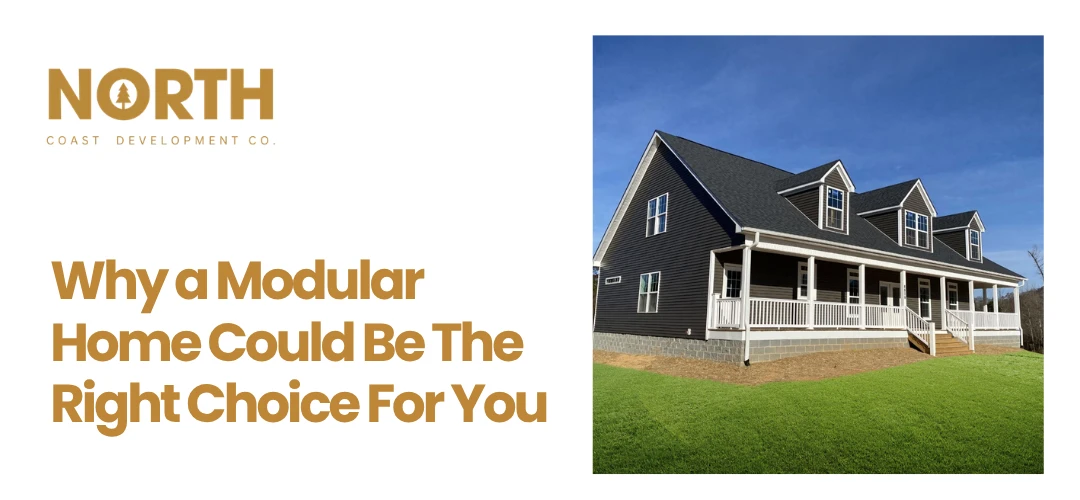
Build your dream home with Modular home construction Waterville ME. North Coast Development delivers quality, energy-efficient homes with faster construction...
Protect your home with professional Gutter replacement Waterville ME. Stop leaks, sagging gutters, and water damage with expert installation by...
Need more space without moving? A Second-Story Addition Waterville ME adds bedrooms and living space while preserving your yard.
Transform your home with professional Bathroom Remodeling Waterville ME. Learn what to expect from the remodeling process with North Coast...
Choosing experienced Playground construction contractors Winthrop ME helps ensure your playground is built with safety, durability, and long-term use in...

Copyrights © 2025
Develop & Marketing Team By