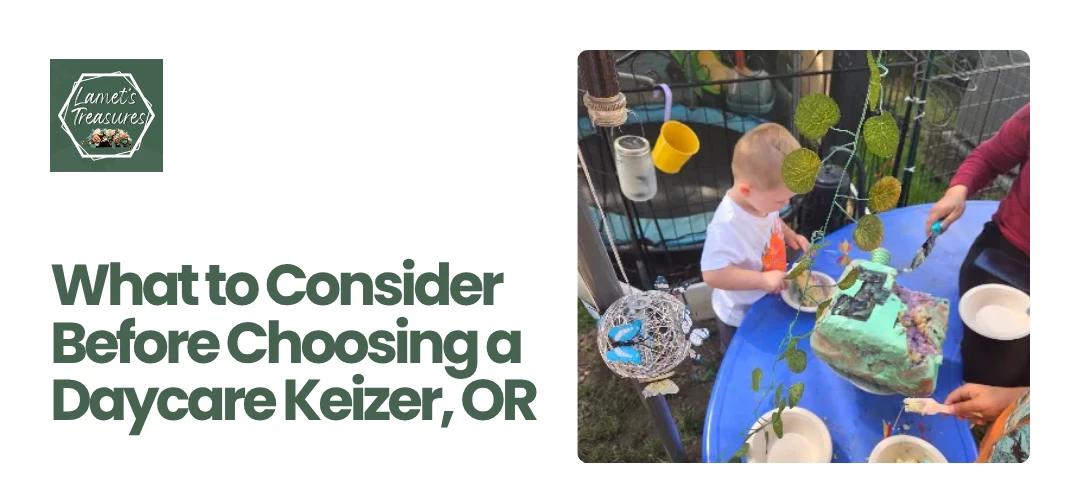
Find the right daycare in Keizer, OR by comparing safety, caregivers, activities, routines, and the quality of care for your...
Choosing care for a baby is one of the biggest decisions new parents make. Infants need close attention, gentle routines, and a safe place to grow. Searching for Infant Childcare Keizer, OR can bring up many choices, but not every program will offer the same level of care. Parents may have questions about feeding, naps, diaper changes, staff training, safety, and daily communication. These details matter because babies cannot explain what they need in the same way older children can.A good infant program gives parents confidence while providing babies with responsive care and age-appropriate activities. Lamet’s Treasures understands the importance of creating a caring environment where children receive attentive support throughout the day. By knowing what to check, asking the right questions, and visiting programs in person, families can make a more informed childcare decision.

Infants have different needs from toddlers and older children.They need frequent feeding, diaper changes, naps, comfort, and close supervision throughout the day.A quality infant program should provide:
Parents should make sure the program has experience caring for babies.
Infant care requires more one-on-one attention than many other age groups.Babies may need help with feeding, sleeping, soothing, and changing several times during the day.Caregivers should understand that every baby has a different routine.Some babies sleep for longer periods.Others take shorter naps throughout the day.Some babies eat on a set schedule, while others may follow a more flexible routine.A strong provider works closely with parents to understand each baby’s needs.
When choosing Infant Childcare Keizer, OR, parents should pay close attention to safety.Babies spend much of their time sleeping, eating, and playing on the floor.The environment should be clean, secure, and designed for infants.Look for:
Ask how the center handles emergencies and how staff respond if a baby becomes sick.Clear answers can help parents feel more comfortable.
Sleep is a major part of an infant’s day.Parents should ask the childcare provider about its sleep policies before enrollment.Important questions include:
Parents should understand the provider’s policies and make sure they are comfortable with them.
Babies may have different feeding needs.Some may drink breast milk.Others may use formula or begin age-appropriate solid foods as directed by their parents and healthcare providers.Parents should ask:
Good communication helps caregivers follow the family’s instructions correctly.
Infants need frequent diaper changes.A clean diapering area is essential for good hygiene.During a childcare tour, look at the changing station.
Ask about:
Caregivers should follow consistent hygiene practices throughout the day.
Infants need caregivers who understand early childhood development.Ask about the staff’s:
It is also important to ask how new caregivers are trained before working with babies.Experienced staff can better recognize signs that an infant may need food, rest, comfort, or attention.
During your visit, observe the staff carefully.
Do caregivers respond when babies cry?
Do they speak gently?
Do they hold and comfort children appropriately?
Do they pay attention to each infant?
These observations can tell you more than a brochure.
Parents should look for caregivers who are patient, calm, attentive, and responsive.
Babies need close attention.A caregiver who is responsible for too many infants may have difficulty responding quickly to every child’s needs.
Ask about:
Also ask what happens when a caregiver is absent.Stable staffing can help babies feel more comfortable with their daily routine.
Infant learning looks different from preschool learning.Babies learn through simple interactions and sensory experiences.Age-appropriate activities may include:
These activities encourage early communication, movement, and social development.
Parents searching for Infant Childcare near me should not rely on location alone.A nearby program may be convenient, but it still needs to meet your child’s needs.Compare each provider based on:
Safety: Is the facility secure and clean?
Staff: Are caregivers trained and attentive?
Routine: Can the center support your baby’s feeding and sleep schedule?
Communication: Will parents receive daily updates?
Environment: Does the classroom feel calm and welcoming?
Cost: Are tuition and extra fees clear?
Using the same checklist for each provider makes comparison easier.
Parents want to know how their baby spent the day.A good childcare program should provide useful updates.Information may include:
Some centers use parent apps.Others provide written reports or talk with parents during pickup.Ask how communication works before enrollment.
Starting daycare can be a big change for a baby.A gradual transition may help the child become comfortable.Ask whether the provider allows:
Parents can also share information about their baby’s home routine.Familiar routines can make the transition easier.
Every baby has a different personality.Parents should tell caregivers about important habits.Share information such as:
The more caregivers know, the easier it is to provide consistent care.
Babies can become sick quickly.Parents should understand the center’s health policies before enrollment.
Ask:
Clear policies help parents know what to expect.
The infant classroom should feel safe and organized.During your visit, look at:
Toys should be suitable for babies and checked regularly for damage.Small objects that may create a choking risk should not be within an infant’s reach.
Fresh air and movement can be valuable for babies when appropriate.Ask whether infants spend time outdoors.If they do, ask about:
Outdoor activities should always match the baby’s age and the provider’s safety procedures.
Infant care can have different pricing from care for older children.This may be due to the higher level of supervision infants require.Ask for a complete list of costs.This may include:
Make sure you understand when payments are due.Written information is helpful when comparing different providers.
Parents should be able to stay involved in their child’s care.Ask whether families can:
Good parent-provider communication creates a stronger care partnership.
Infants can become overwhelmed by loud or busy surroundings.During your visit, notice the classroom atmosphere.
Is it calm?
Are babies receiving attention?
Are caregivers speaking gently?
Are activities suitable for infants?
A peaceful environment can help babies feel secure during the day.
Online reviews can help parents create a list of childcare providers.Look for common comments about:
Do not make your final decision based only on reviews.A personal visit is still important.You can also ask other parents about their experiences if they are comfortable sharing them.
Infant care requires patience and attention to detail.Experienced caregivers understand that babies communicate through sounds, facial expressions, movements, and behavior.They can learn to recognize signs of:
Parents should ask how long the center has provided infant care and what training staff receive.
Create a simple comparison sheet after visiting several centers.
Feature | Center A | Center B | Center C |
Infant safety | ✓ | ✓ | ✓ |
Staff training | ✓ | ✓ | ✓ |
Caregiver ratio | ✓ | ✓ | ✓ |
Feeding support | ✓ | ✓ | ✓ |
Sleep routine | ✓ | ✓ | ✓ |
Daily updates | ✓ | ✓ | ✓ |
Tuition | ✓ | ✓ | ✓ |
Location | ✓ | ✓ | ✓ |
Availability | ✓ | ✓ | ✓ |
This can help you make a decision based on your family’s priorities.
Before you sign an agreement, make sure you understand the program.
Ask:
There are no bad questions when it comes to your baby’s care.
Families searching for an infant daycare center Keizer, OR should compare programs based on safety, staff quality, routines, and communication.Do not rush the decision.
Visit the classroom.
Meet the caregivers.
Ask questions.
Watch how staff interact with babies.Then compare your notes at home.A good program should make you feel comfortable asking questions and sharing information about your child.
Trust develops through consistent communication and reliable care.Parents need to know that caregivers will pay attention to their baby’s needs throughout the day.Trust can grow when:
Choosing childcare is not only about finding an available spot.It is about finding a place where your baby can receive attentive and respectful care.
Reliable infant care can make daily life easier for parents. Lamet’s Treasures understands the importance of providing families with dependable childcare options where children can receive attentive care in a safe and supportive setting. When parents know their baby is cared for, they can focus on work and other family responsibilities with greater peace of mind.
Choosing the right Infant Childcare Keizer, OR program takes time, but careful research can make the process easier. Parents should look beyond location and price and focus on safety, caregiver experience, daily routines, feeding, sleep, hygiene, activities, and communication.Visit childcare centers in person and watch how caregivers interact with babies. Ask detailed questions and make sure you understand the center’s policies before enrolling.
Families in Salem Oregon can also consider travel time and daily schedules when comparing childcare options. The right provider should give your baby attentive care while giving you confidence throughout the workday.Ready to find the right infant care program? Start comparing local providers today, schedule a tour, ask your questions, and choose a childcare setting where your baby can feel safe, supported, and cared for.
Parents should look for safe facilities, trained caregivers, appropriate infant-to-staff ratios, clean classrooms, safe sleep practices, feeding support, and strong parent communication.
Visit several providers and compare safety, staff experience, caregiver ratios, daily routines, tuition, communication, and the overall environment. A personal tour can help you decide which program feels right for your baby.
Ask about feeding, sleeping, diapering, staff training, safety, illness policies, caregiver ratios, daily updates, tuition, and what supplies parents need to provide.
Experienced caregivers are better prepared to respond to an infant's basic needs and recognize signs of hunger, tiredness, discomfort, or overstimulation.
Start as early as possible. Infant classrooms may have limited spaces, so early research gives parents more time to visit programs, compare options, and complete enrollment requirements.
Find the right daycare in Keizer, OR by comparing safety, caregivers, activities, routines, and the quality of care for your...

Find quality Infant Childcare Keizer, OR with safe care, nurturing routines, trained staff, and age-appropriate activities for your baby’s needs.
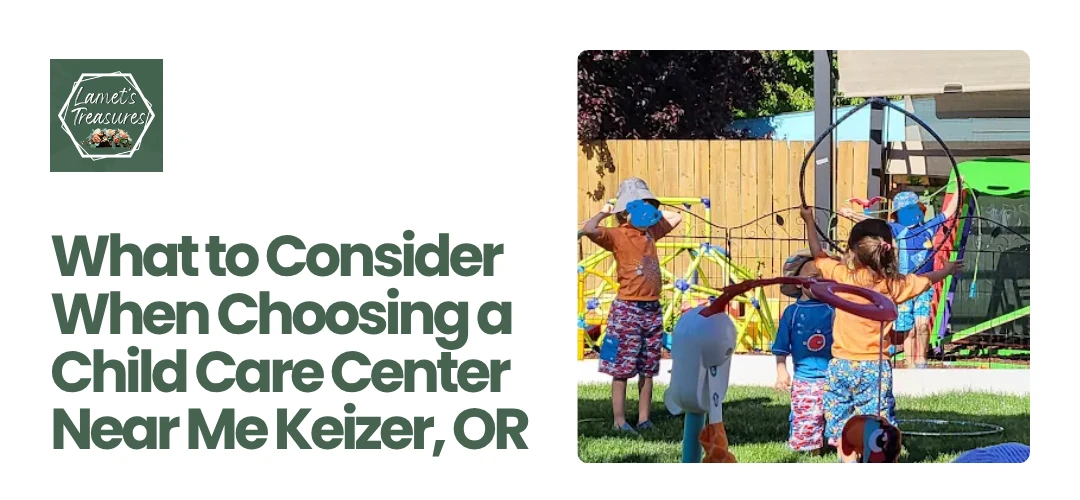
Find the right ChildCare Center Near Me Keizer, OR with this helpful guide covering safety, staff, activities, cleanliness, communication, and...
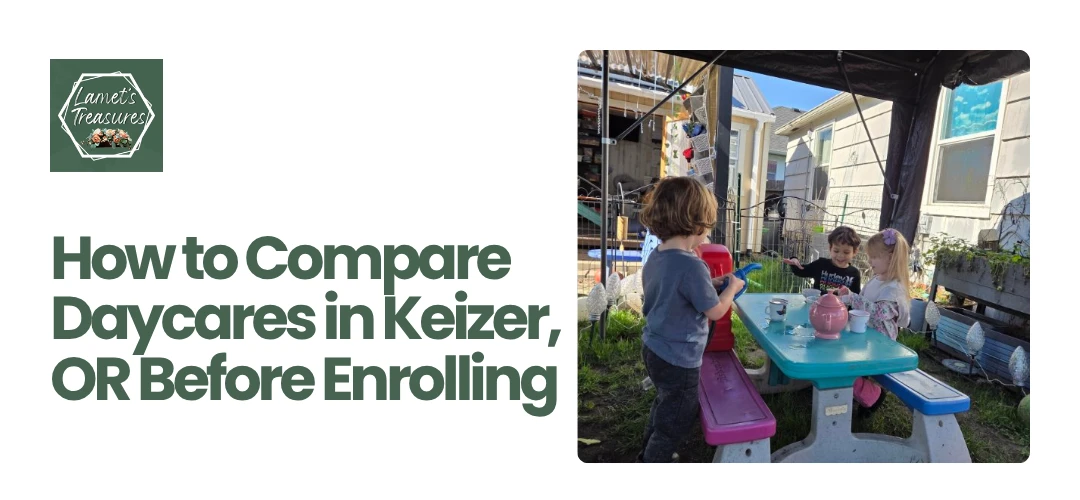
Find the best daycare in Northeast Salem with tips on safety, caring staff, activities, schedules, and a welcoming environment for...

Find the best daycare in Northeast Salem with tips on safety, caring staff, activities, schedules, and a welcoming environment for...

Choosing the right Childcare Centre Salem OR can feel like a big decision. Parents want a place where their child...

Discover when to start preschool and how Preschool Salem programs support early learning, social skills, confidence, and a smooth transition.
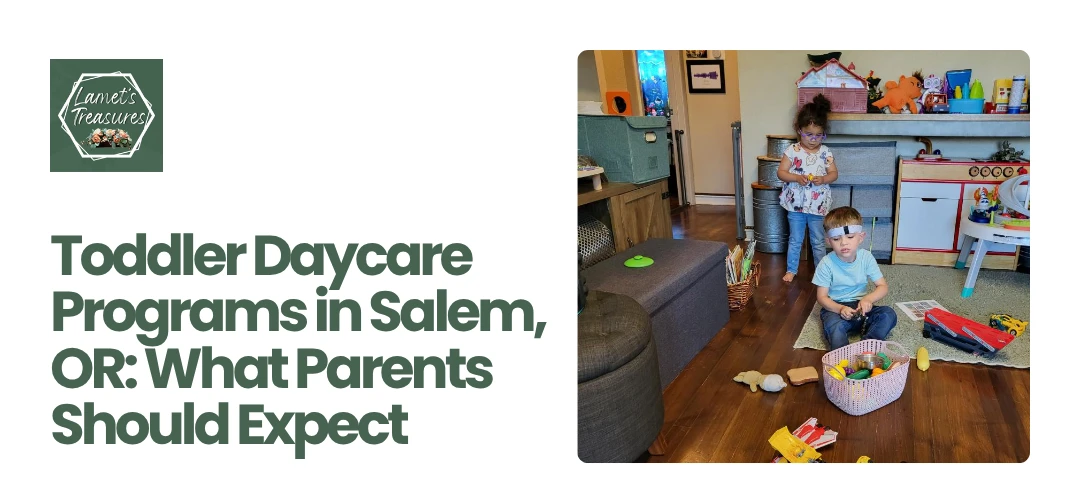
Looking for trusted Toddler Daycare Salem, OR? Learn what to expect from quality toddler daycare programs, including safety, early learning,...

Looking for trusted Children Care Salem, Oregon? Our safe after-school program helps kids learn, play, complete homework, and build friendships...

Providing consistent, high-quality childcare that supports families through safe environments, trusted care, and early learning experiences every day in Salem, OR.